Pipe welder (6G): what it is and when you need one
A pipe welder joins tubes and pressure vessels; the bead wraps the tube and runs through every position at once. 6G (pipe fixed at 45 degrees) is the most complete qualification. You need one certified on pressure lines, tanks and field work, with a current WPQ under ASME IX or API.
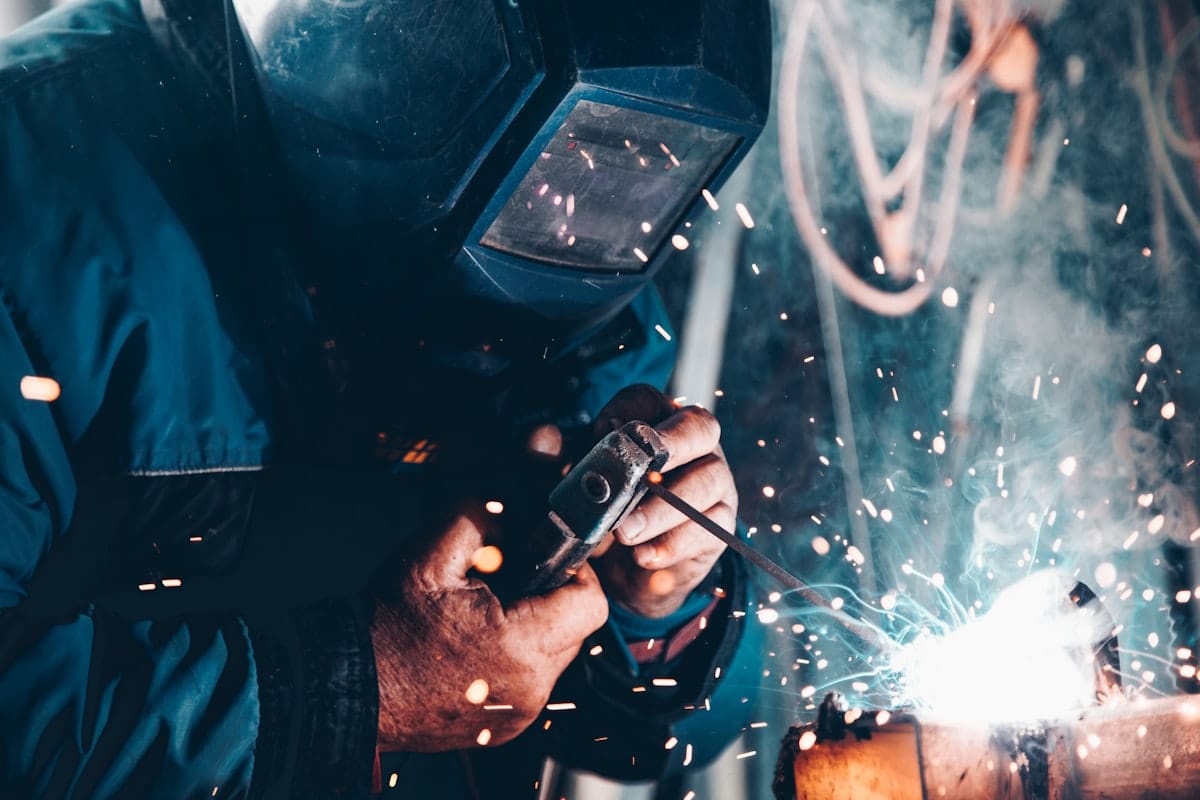
A pressure line doesn’t forgive. If the bead wrapping that pipe has a root flaw, you won’t see it until it drips, and by then you’ve stopped the plant. So when the job is pipe, any welder won’t do: you need a pipe welder, and often a 6G one.
This guide covers what a pipe welder is, how they weld a pipe step by step, what 6G means, how the work gets inspected, and what to ask for before they show up on your job.
What a pipe welder is
A pipe welder joins tubes and vessels that later carry pressure or fluid inside. The difference from a plate welder is geometry: the bead wraps a tube, so in one lap it runs through flat, vertical and overhead without stopping.
That demands weld-pool control not everyone has, especially on the root pass, which decides whether the joint holds. And it isn’t only a steady hand: you prep the bevel, set the gap and respect heat input for each diameter and thickness. If you’re starting cold, read what industrial welding is first, then come back.
How a pipe gets welded, step by step
A butt joint on pipe isn’t done in one pass. It’s built in layers, and each one has a job.
- Prep and fit-up Bevel the edge, clean it, align both pipes with a uniform root gap. A bad fit here drags all the way to the end.
- Root pass The first bead, inside the joint. The most delicate: it sets penetration and integrity. Often run with TIG for the control it gives.
- Hot pass Reinforces the root and burns out small defects before filling.
- Fill passes Lay down the bulk of the metal, almost flush. Here you want deposition speed without losing fusion.
- Cap pass The outside bead, uniform and free of undercut, the one on show and up for inspection.
Which process pipe uses
The usual mix pairs two processes to get the best of each. A good pipe welder handles more than one, as we show in types of welding.
- TIG (GTAW) for the root. Maximum pool control, ideal for the first pass on critical and stainless pipe.
- Stick (SMAW) for fill. Rugged, works well in the field and in any position.
- Flux-cored (FCAW) on large diameters. More deposition per minute when there’s a lot of metal to lay.
Pipe materials and what changes
You don’t weld a carbon steel pipe the way you weld stainless. The material decides the process, the gas and the heat care.
| Material | What changes |
|---|---|
| Carbon steel | The most common in lines and structure; takes stick and flux-cored. |
| Stainless steel | Needs heat control and inert-gas purge; very sensitive to contamination. |
| Alloys | Demanding service (high temperature, corrosion); a specific WPS is mandatory. |
What 6G means (and why it’s the most prized)
6G is a test position: the pipe is fixed at a 45-degree tilt and the welder moves around it without turning it. That bead crosses every orientation at once, so passing a 6G proves the hand controls any position.
| Position | Pipe | Difficulty |
|---|---|---|
| 1G | Rotating, welded on top | Low |
| 2G | Fixed vertical | Medium |
| 5G | Fixed horizontal | High |
| 6G | Fixed at 45° | Maximum |
So a 6G welder usually ends up qualified for the plate positions and the 5G too: they’ve already proven all of it. We break it down in welding positions explained, 1G to 6G.
When you need a certified pipe welder
Not every pipe job calls for a 6G, but some leave no room for debate.
- Pressure lines in a plant or refinery, where a leak is a safety risk.
- Tanks and vessels, which mix pipe work and tank fabrication under code.
- Field work where the pipe is already erected and can’t be turned, so you weld it in 5G or 6G as it sits.
What certification to ask for
Paper rules. For pressure pipe, the reference is ASME; for refinery tanks, API.
| Certification | What for |
|---|---|
| ASME Section IX | Pipe and pressure vessels |
| API 650 / 653 | Storage tanks (new and repair) |
| WPQ 6G | The welder’s own test, current and in 6G |
As with any hire, what counts is the welder’s WPQ, not just the company procedure. We cover it in depth in welding certification standards for the Caribbean.
How a pipe weld gets checked
A pipe joint isn’t passed because it «looks fine». It’s verified, and on critical lines the check is part of the job.
| Method | What it catches |
|---|---|
| Visual (VT) | Undercut, over-reinforcement, poor finish |
| Radiography (RT) | Internal defects: porosity, lack of fusion, inclusions |
| Hydrostatic test | Line tightness under pressure |
So a welder with technical backing is worth more than a loose hand: behind them is a WPS, an inspector and a record. That’s the difference between handing over a line and handing over a line that passes inspection first time.
Pipe welder or structural welder: not the same
Both are industrial welders, but the work and the qualification change. Worth being clear before you ask for a quote.
| Pipe welder | Structural welder | |
|---|---|---|
| Work | Tubes and pressure vessels | Frames, beams, platforms |
| Code | ASME IX, API | AWS D1.1 |
| Key position | 6G | 3G / 4G |
| Critical | Root pass | Load-bearing joint |
For the structural side we build on the project’s structural steel; for pressure, on qualified pipe welders.
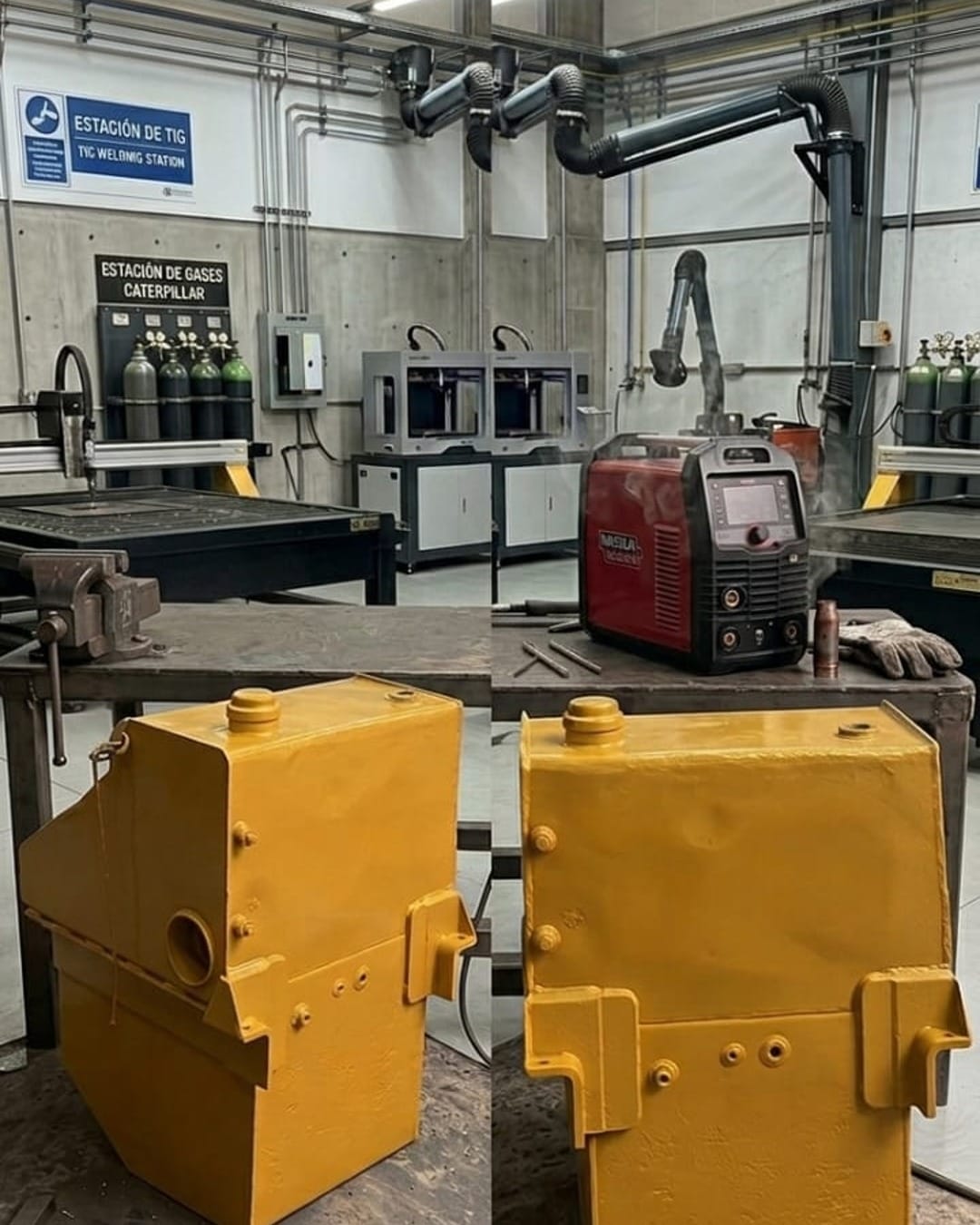
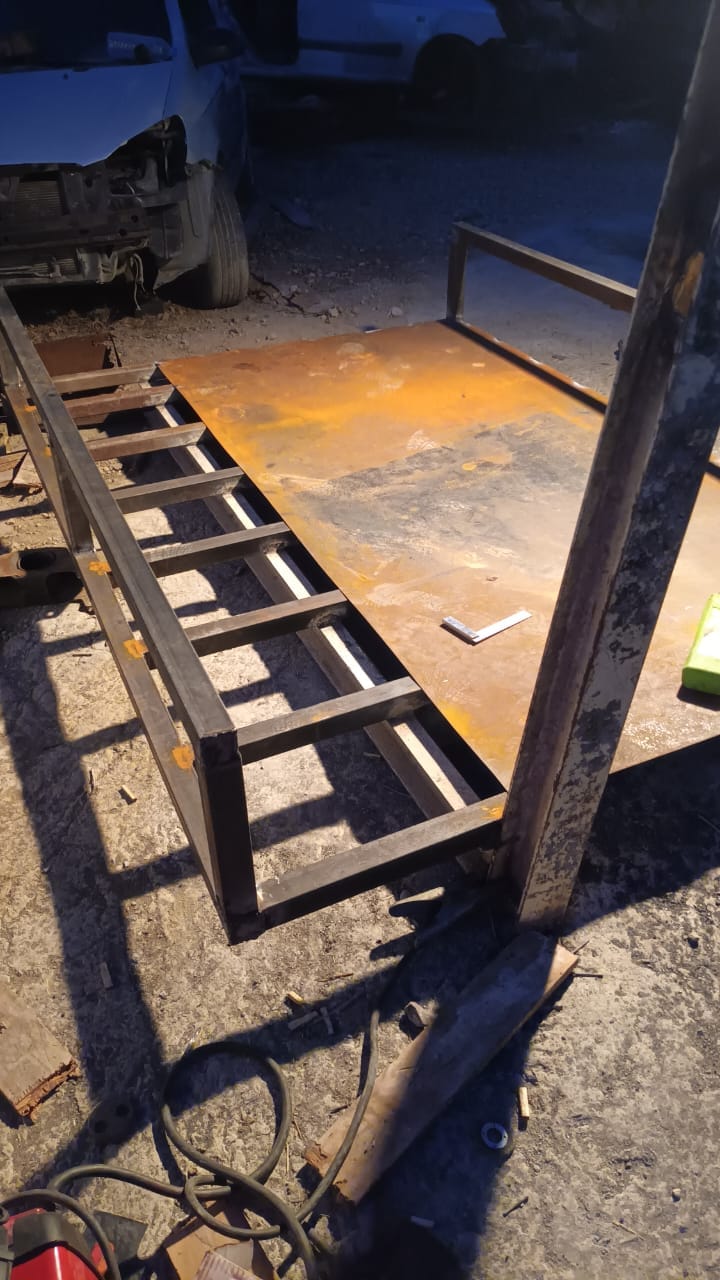
How to hire a pipe welder in the Caribbean
Finding an available 6G with current paper, able to move between islands on the exact date, isn’t always easy. At TAS we solve it with our industrial welding team, and if you need to reinforce yours, with qualified personnel. The steps to choose well are in how to hire an industrial welder in the Caribbean.
- A pipe welder runs the bead around the tube, through every position at once.
- 6G (pipe fixed at 45°) is the most complete; it usually covers plate and 5G too.
- You need one certified on pressure lines, tanks and field work.
- Ask for a current WPQ under ASME IX (pressure) or API 650/653 (tanks).
- The root pass decides the joint’s integrity.
Frequently asked questions
Need a certified pipe welder?
6G welders qualified under ASME IX and API, in Sint Maarten and across the Caribbean. Tell us the line and we’ll quote it.
Request a quoteView industrial welding EN
EN ES
ES