
Industrial coatings for Caribbean marine environments: epoxy, polyurethane and zinc
Steel near the Caribbean coast usually needs a multi-coat system: a zinc-rich epoxy primer for cathodic protection, an epoxy intermediate coat as the barrier and a polyurethane topcoat for UV and color. ISO 12944 rates coastal high-salinity air as C5 (very high) and offshore, subtropical and tropical atmospheres as CX (extreme), with example systems around 260 µm thick (coating manufacturer guide).
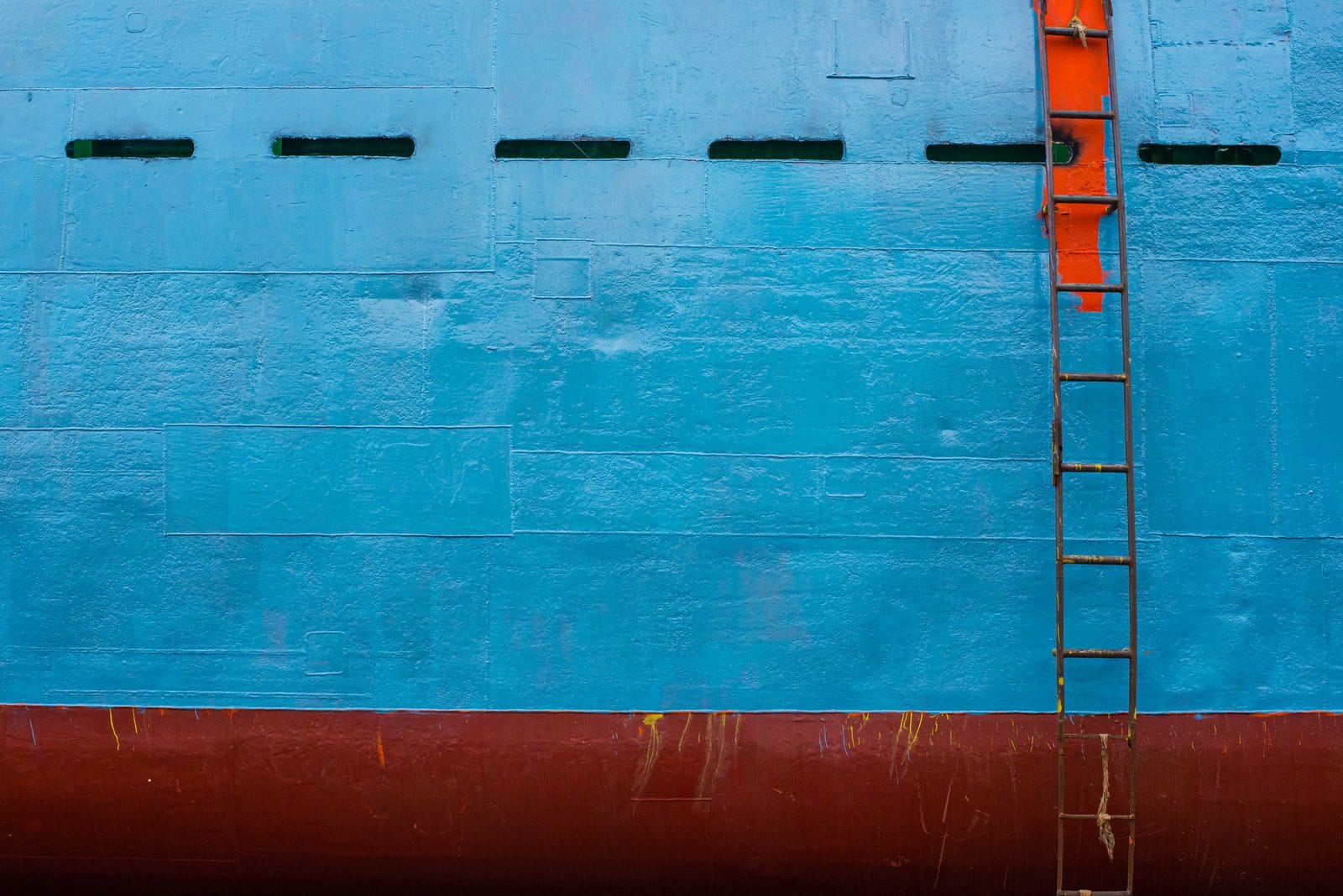
Salt, humidity, heat and sun all work on steel at once in the Caribbean. A coating is the layer that decides how long the steel underneath lasts, and it’s often the cheapest part of the structure to get right and the most expensive to get wrong. This guide explains what the standards say about marine exposure, what epoxy, polyurethane and zinc each do in a coating system and where these jobs tend to go wrong. It sits beside our guides to storage tank corrosion inspection and structural steel grades.
A note on sources. ISO 12944 is a paid standard, so the category and system details here come from a coating manufacturer’s published guide to it. Your coating specifier or paint supplier sets the actual system for your steel, and product data sheets rule.
What does marine exposure do to coated steel?
It speeds up corrosion, and corrosion is expensive. The NACE IMPACT study put the global cost of corrosion at about US$2.5 trillion a year, around 3.4% of global GDP, and estimated that applying existing corrosion-control practices could recover 15 to 35% of it (Reliable Magazine). Protective coatings are one of those practices, and on steel in salt air they’re usually the main one.
Salt on the surface holds moisture, so steel stays damp longer, and chloride works under any break in the coating. A small chip can turn into a rust blister that spreads under intact paint. That’s why marine coating work is judged less by how the finish looks on day one and more by film thickness, edge coverage and preparation.
How does ISO 12944 rate a Caribbean environment?
ISO 12944 sorts atmospheres into corrosivity categories from C1 to C5, plus CX. Coastal areas with low salinity sit in C3, moderate salinity in C4 and high salinity in C5 (very high). CX (extreme) covers offshore areas with high salinity and, in the manufacturer’s wording, subtropical and tropical atmospheres (coating manufacturer guide).
| Category | Typical exterior environment |
|---|---|
| C3 (medium) | Urban and industrial air, coastal areas with low salinity |
| C4 (high) | Industrial areas and coastal areas with moderate salinity |
| C5 (very high) | Industrial areas with high humidity and aggressive atmosphere, coastal areas with high salinity |
| CX (extreme) | Offshore areas with high salinity, extreme industrial atmospheres, subtropical and tropical atmospheres |
Each category has durability classes: low is up to 7 years, medium is 7 to 15, high is 15 to 25 and very high is more than 25 years. These are approximate service-time expectations.
What do epoxy, polyurethane and zinc each do?
Each coat has a separate job. Zinc-rich epoxy primer bonds to the steel and protects it cathodically, meaning the zinc corrodes first and the steel doesn’t. The epoxy intermediate coat is the thick barrier against water and salt. The polyurethane topcoat shields the epoxy from sunlight and holds color and gloss. Epoxy alone chalks in strong UV, which is why it isn’t left as the outer layer in sun.
| Coat | Job | Example thickness | Weak point |
|---|---|---|---|
| Zinc-rich epoxy primer | Adhesion and cathodic protection | 60 to 80 µm | Needs a clean, blasted surface to work |
| Epoxy intermediate | Barrier to water and salt | 100 to 150 µm | Chalks and fades if left in sunlight |
| Polyurethane topcoat | UV protection, color, gloss | 30 to 100 µm | Too thin to protect steel on its own |
The example thicknesses are from one manufacturer’s C5 system, which totals about 260 µm, or 10.2 mils. Another C5 example in the same guide reaches 320 µm, and the CX example is 350 µm or more (coating manufacturer guide). More severe exposure and longer durability targets call for a thicker film.
Why does surface preparation decide the result?
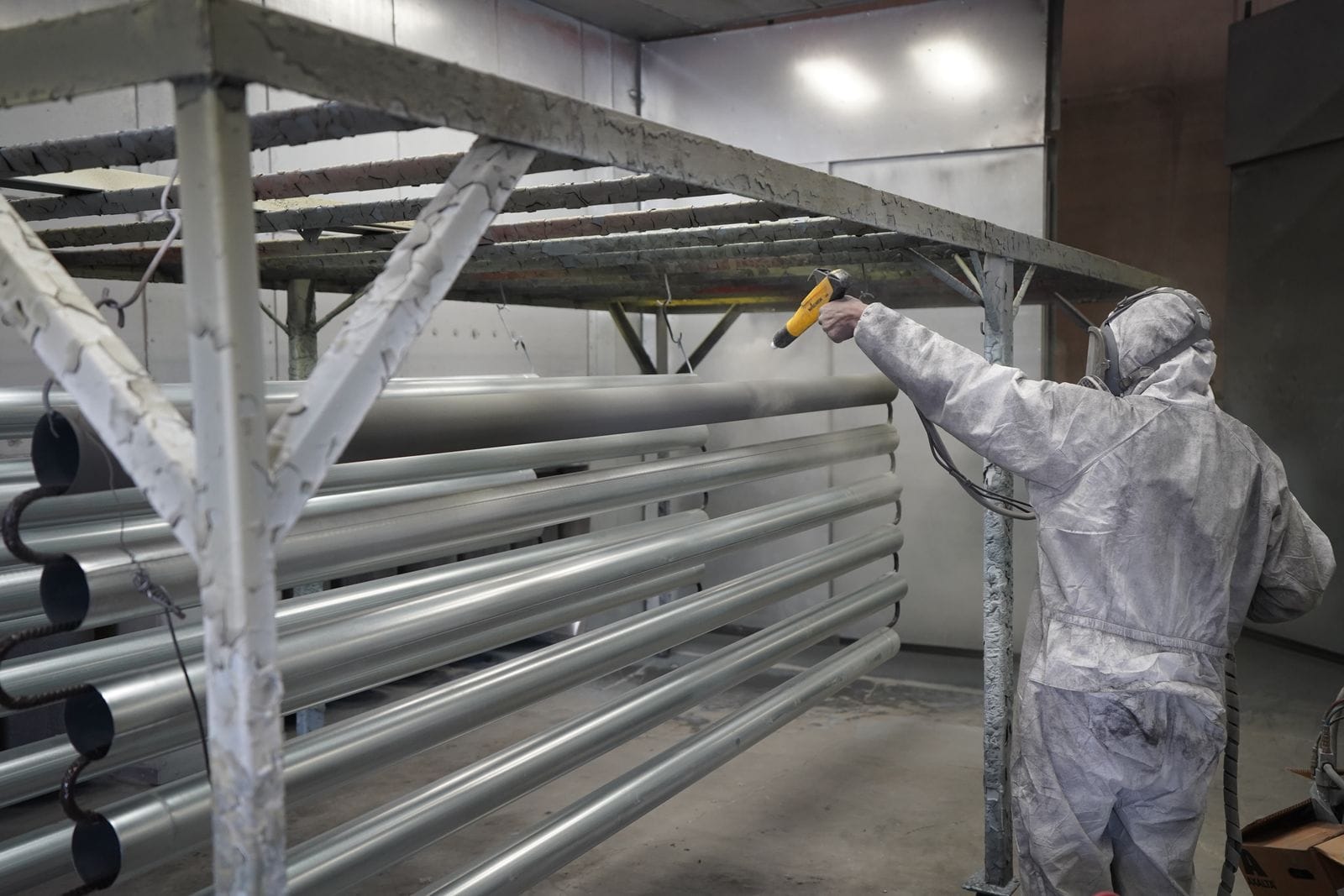
Because a coating is only as good as its bond to the steel. The standard steps are abrasive blasting to a defined grade. The guide lists Sa 2½ (SSPC-SP 10, near-white metal) and Sa 3 (SSPC-SP 5, white metal), and the systems in that guide specify Sa 3 (coating manufacturer guide). Near-white means all visible dirt, oil, rust, mill scale and old paint removed, with only slight staining allowed.
Two extras matter on the coast. Chloride left on blasted steel can cause blisters under the new coating, so specifications commonly limit soluble salts and test for them. And blasted steel flash-rusts fast in humid air, so the first coat goes on soon after blasting. Both points are our reading of standard practice, and your specification sets the limits.
How is the coating applied and checked?
Apply it in suitable weather, and measure what you’ve applied. The usual practice is to coat only when the steel is at least 3 °C above the dew point, and to follow the product data sheet for temperature, humidity and time between coats. Then check dry film thickness at agreed points against the specification, since a thin coat is the most common way a system fails early.
Edges, welds, bolts and corners need extra attention, because paint pulls away from sharp edges and leaves less film there. A stripe coat on those areas is standard good practice. Our structural steel connections guide explains why bolted and welded joints are also where rust tends to start.
The same logic applies to solar racking in salt air. See our guide to hurricane-rated solar mounting.
How do you keep the coating working?
Inspect it, then fix small damage early. Look for chalking, blistering, rust bleed at edges and mechanical damage, especially after storms and around fittings. A spot repair on a scratch is cheap. A failed coating over a large area is a repaint, and a coating that has run out of life over corroded plate can turn into a repair-or-replace decision.
Use the same discipline you’d apply to the structure underneath: a schedule, records and photos. Our plant maintenance service includes coating condition checks as part of routine inspection rounds.
- Corrosion costs about US$2.5 trillion a year worldwide. Existing practices could recover 15 to 35% of it.
- ISO 12944 puts high-salinity coasts in C5 and tropical or offshore exposure in CX.
- A typical marine system is zinc-rich epoxy, epoxy and polyurethane, around 260 µm in one C5 example.
- Each coat has its own job: cathodic protection, barrier and UV shield.
- Blast preparation and film thickness decide how long the system lasts.
- Inspect after storms and repair small damage before it spreads.
Frequently asked questions
Steel on the coast that needs protecting?
Tasweldermechanics fabricates, repairs and maintains steel for industrial sites across the Caribbean, mobilized from Sint Maarten. Tell us what you need protected.
Request a quoteView plant maintenance EN
EN ES
ES