Hurricane-rated solar mounting: wind loads, steel frames and corrosion
A solar array that meets code can still fail in a hurricane. After Irma and Maria in 2017, arrays in the U.S. Virgin Islands designed to code failed at wind speeds below their design values: on St. Croix the estimated peak was 104 mph against a 145 mph design speed (DOE FEMP). The fixes were stiffer steel frames, locking fasteners, independent module clamps, galvanized steel and dynamic-load analysis.
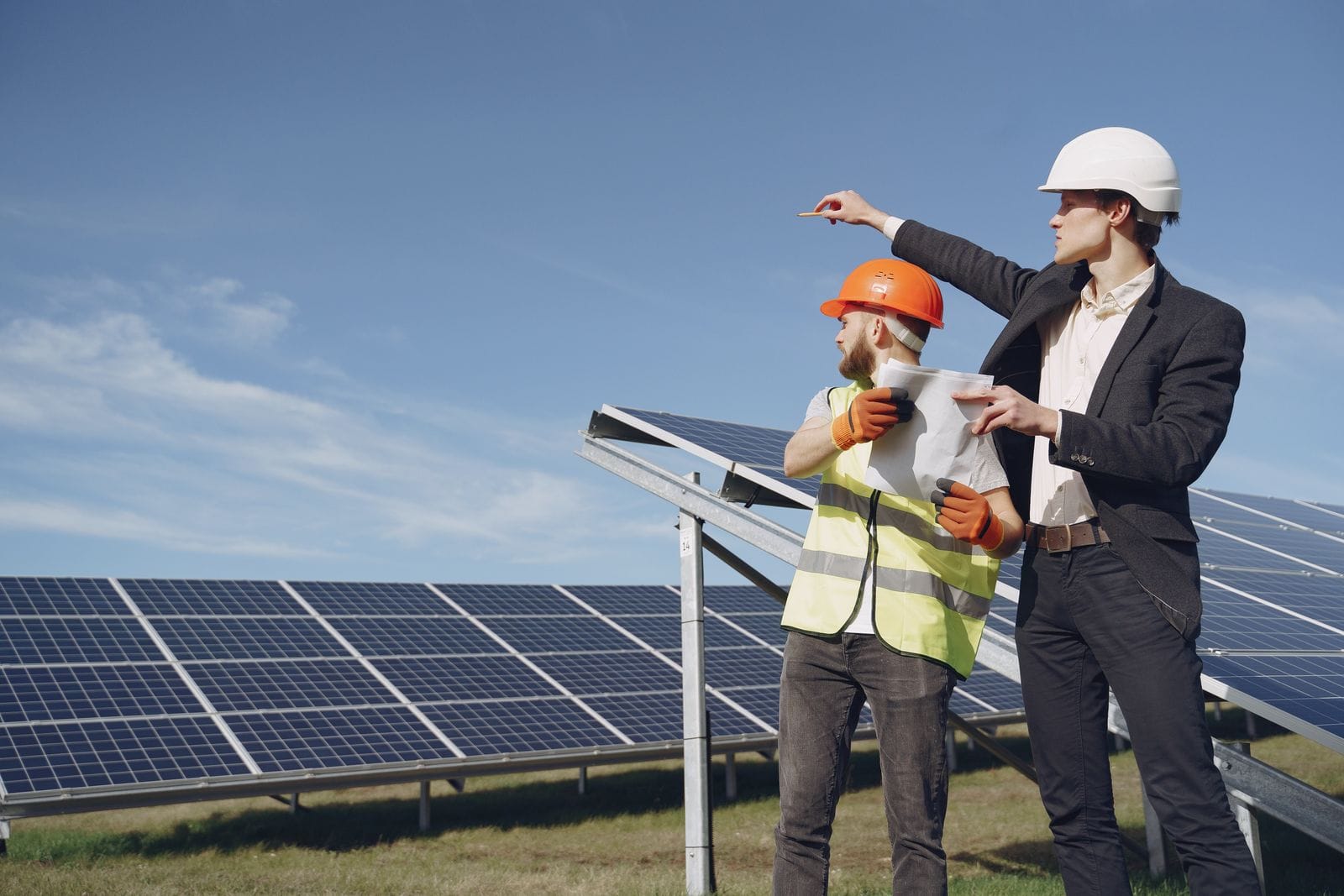
When people talk about solar in a hurricane zone, the conversation usually turns to panels. The engineering lessons from 2017 point somewhere else: the frame, the clamps and the bolts. This guide draws on a February 2023 report from the U.S. Department of Energy’s Federal Energy Management Program, which studied arrays damaged by Hurricanes Irma and Maria and the rebuild of one of them. We’re steel fabricators, so we read it from the frame side. For costs and system design, see our solar panel installation page. This article is about the structure.
A caution on scope. The report studies one ground array on St. Croix, plus other GSA arrays, and says its lessons are widely applicable. It also notes that many unknowns remain, including survivability in the most severe Category 5 hurricanes (DOE FEMP). Treat it as strong evidence, not a design recipe for your site.
What failed on the St. Croix array, and why?
The array was a total loss from wind speeds far below its design values. The report lists the core failures: light-gauge, unbraced beams with little stiffness that twisted in the wind, and a clamping fastener too weak to hold large sections of frame together. As the beams flexed, the clamps were levered apart, and self-tapping screws in the stiffening braces, found corroded, tore out (DOE FEMP).
That started a cascade: the racking collapsed and modules were freed. Contributing factors included shared module clamps, older civil-engineering codes, low safety factors, a large surface area and a steep 25-degree tilt. The electrical equipment was damaged too, with improperly selected enclosures among the causes.
Why wasn’t meeting the code enough?
Because the code wasn’t written for lightweight, wide, open structures. The report says ASCE 7 was developed for buildings and applied to PV arrays, and that ASCE 7-16 does not account for the dynamic effects on PV arrays. Most of the five systems studied appeared code compliant, yet some were a total loss and others lost up to 50% (DOE FEMP).
The gap is dynamic loading. Wind over rows of panels creates turbulence that makes the frame move, and that movement can excite the structure’s natural frequency and cause resonance. The report recommends SEAOC PV2-2017 guidance on top of ASCE 7 and says the racking vendor should be required to include dynamic loading in the calculations.
What did the rebuild change?
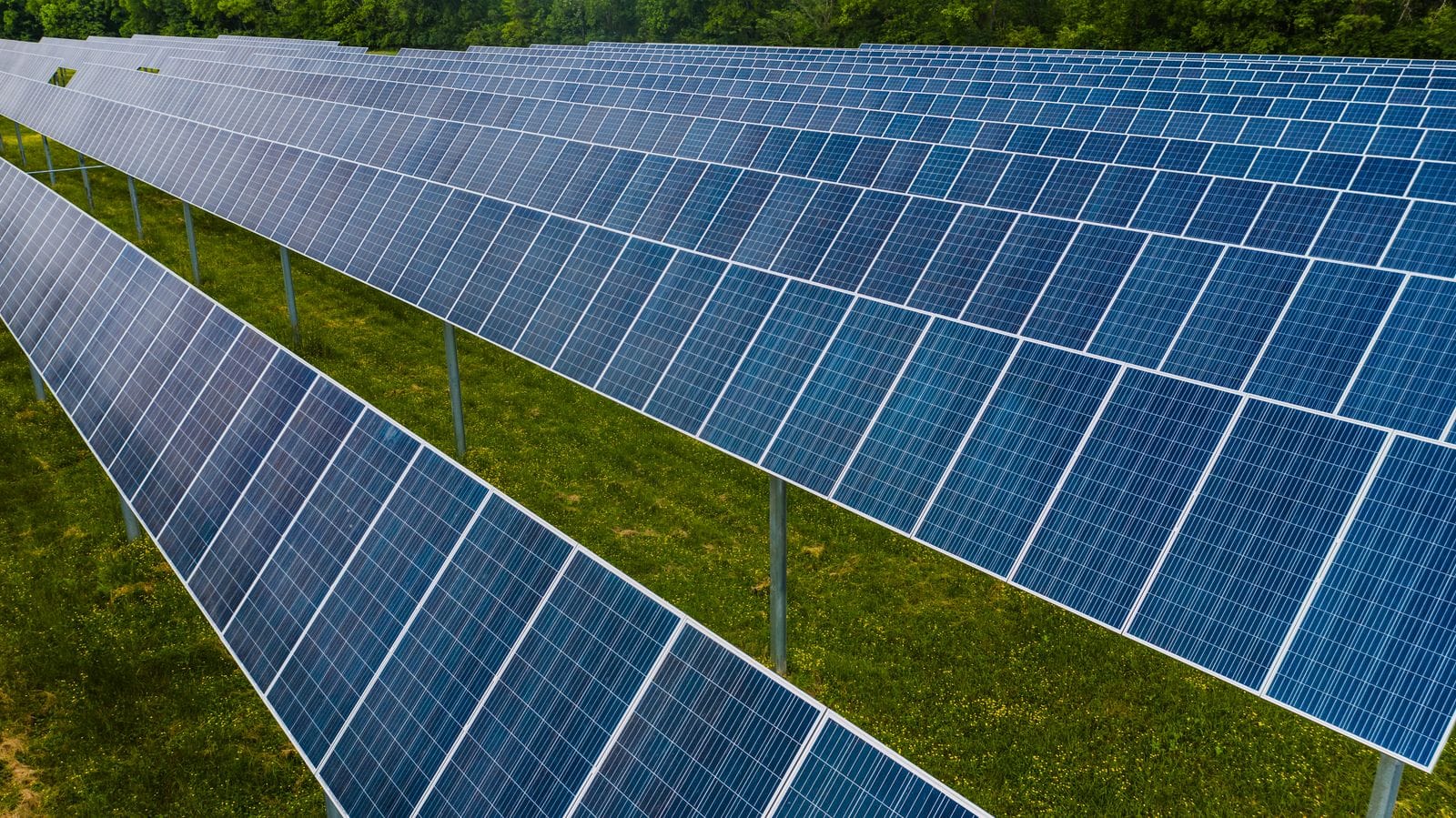
The rebuild focused on the critical parts of the array and hardened those, instead of designing every component to hurricane strength (DOE FEMP). It’s a useful principle: spend where failure cascades.
| Feature | What was specified | Why |
|---|---|---|
| Support structure | Front and rear posts, shorter span between posts, hot-dip galvanized steel | A stiffer frame raises the resonant frequency and passes less load to the fasteners |
| Fasteners | Lock bolts, wedge-lock washers or pre-applied thread lock, designed to risk category IV | Wind-induced vibration loosens ordinary nuts and bolts |
| Module attachment | Independent clamps, through-bolting where practical | Removes the domino effect of shared clips |
| Tilt angle | 12 degrees for this site, with 10 to 15 degrees a sensible range if you can’t model it | Balances dynamic effects at low tilt against static load at high tilt |
| Module rating | 6400 Pa front and 5000 Pa rear static load | Highest published ratings at the time |
| Height | Lowered by 1 foot | CFD analysis showed less wind load |
The report’s caveat on tilt matters: 12 degrees was specific to that project’s geometry, and the optimal angle needs modeling for each array. Tilt also affects power output, so it’s a trade-off, not a free choice.
What does this mean for the steel and corrosion?
It means galvanizing and fasteners are structural decisions, not finishing details. The failed array’s corroded self-tapping brace screws tore out under load. The rebuild specified hot-dip galvanized racking and fasteners with a 30-year anti-corrosivity requirement, and corrosion-resistant, vibration-resistant fastener grades to survive a salt-water environment (DOE FEMP).
That fits how steel behaves on the coast. Our guide to marine coatings for Caribbean steel covers zinc and coating systems, and our guide to bolted vs welded structural connections explains why joints and fasteners are the weak points. For frames that are fabricated to order, our structural steel service covers the steel side, and structural steel grades explains what the material designations mean.
What does hardening cost?
Some items cost a lot more, and some cost very little. Vibration-resistant fasteners ran roughly $1 to $4 per set against $0.10 to $0.20 for standard hardware, which the report puts at about $10 to $40 per kW for through-bolted systems. Hot-dip galvanized racking with a 30-year requirement also added cost. Modules with the highest published wind ratings cost about $1 per watt against $0.40, though part of that gap is general quality (DOE FEMP).
The report also found ways to cut the bill. Using the racking manufacturer’s existing wind-tunnel data let the team reduce the amount of steel, and hardening only the critical items cut total project cost substantially. Prices are U.S. figures from a government project, so treat them as ratios.
How do you check the installation is right?
Audit the fasteners before you accept the system. The report notes that fasteners are a common failure point and that fastener checks and torque audits aren’t part of the common solar auditing standard, IEC 62446. It recommends the commissioning agent confirm 100% of specified fasteners are installed in the right connections and torque-audit at least 1% of them. If 10% or more of that sample is under- or over-tightened, all fasteners are reinstalled (DOE FEMP).
Static and dynamic wind loads, with the code edition and guidance document named.
Wind-tunnel data should be adjusted for your tilt, height and site exposure.
Hot-dip galvanized racking and corrosion-resistant fasteners, with the required life written down.
Lock bolts, wedge-lock washers or pre-applied thread lock at structural joints.
No shared clips between modules.
Confirm the fasteners against the drawings and torque-check a sample.
What should Sint Maarten owners keep in mind?
Local rules won’t do this work for you. Sint Maarten’s September 2021 Code of Practice for Building Class 0, which covers simple buildings, says screws must resist heat, heavy rain, hurricanes, salt and air pollution. We found no PV-specific provisions in it (Sint Maarten Code of Practice). That makes the contract the place to write the requirements above.
The climate is the same hurricane belt as the U.S. Virgin Islands, and the corrosion picture is similar, which is our reading of why the report applies. If you’re planning an array or a rooftop frame, tell us the site and we’ll talk through the structure.
- Arrays designed to code failed below their design wind speed in the 2017 hurricanes.
- ASCE 7-16 does not cover dynamic effects on PV arrays. Add SEAOC PV2-2017 guidance and require dynamic analysis.
- Stiff braced frames, locking fasteners and independent clamps prevent cascade failure.
- Hot-dip galvanized steel and corrosion-resistant fasteners are structural decisions.
- A tilt of 10 to 15 degrees is a sensible range without a full model, but each site needs analysis.
- Audit fasteners and torque at commissioning.
Frequently asked questions
Planning solar frames or structures for a Caribbean site?
Tasweldermechanics fabricates structural steel to code across the Caribbean, mobilized from Sint Maarten. Tell us your site and load.
Request a quoteView structural steel EN
EN ES
ES