How to hire an industrial welder in the Caribbean
To hire an industrial welder in the Caribbean, ask for their current qualification (WPQ) for the job’s process and position, to AWS D1.1 (structure) or ASME IX (pressure). Check real work, insurance and mobility between islands. For workload spikes, hire a crew or reinforce yours with qualified personnel.
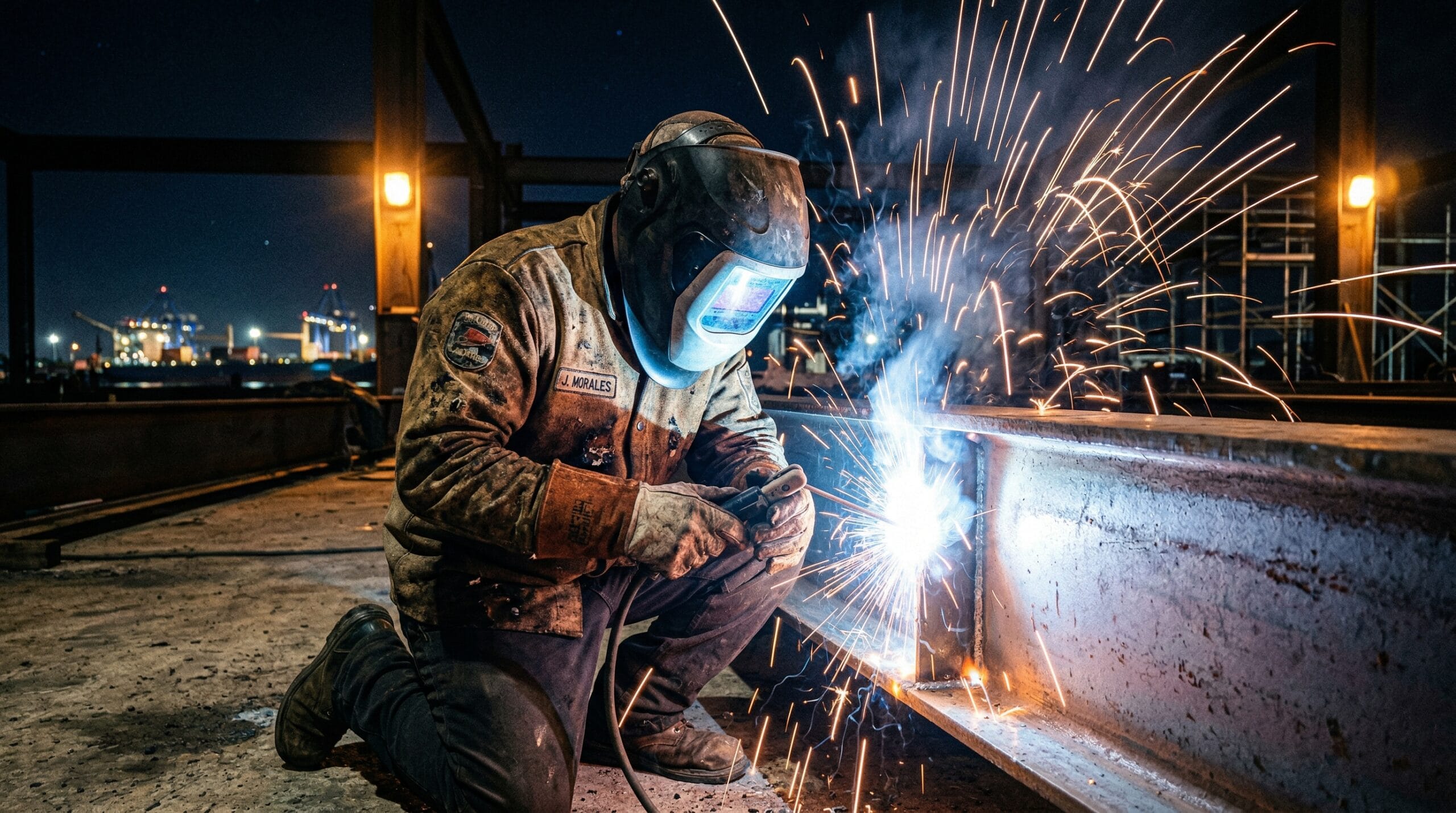
You’ve got a plant shutdown next month and you need someone to weld a pressure line that won’t fail inspection. Or a new tank to build, or a structure to reinforce before the season. The question shows up fast: who do I call, and how do I know they can really weld?
Hiring an industrial welder in the Caribbean has a catch. Not because skilled hands are rare, but because industrial work puts safety on the line, and there the gap between a good welder and any welder gets expensive. This guide tells you what to check, what to ask for, and how to choose without getting burned.
What an industrial welder does (and why not just anyone)
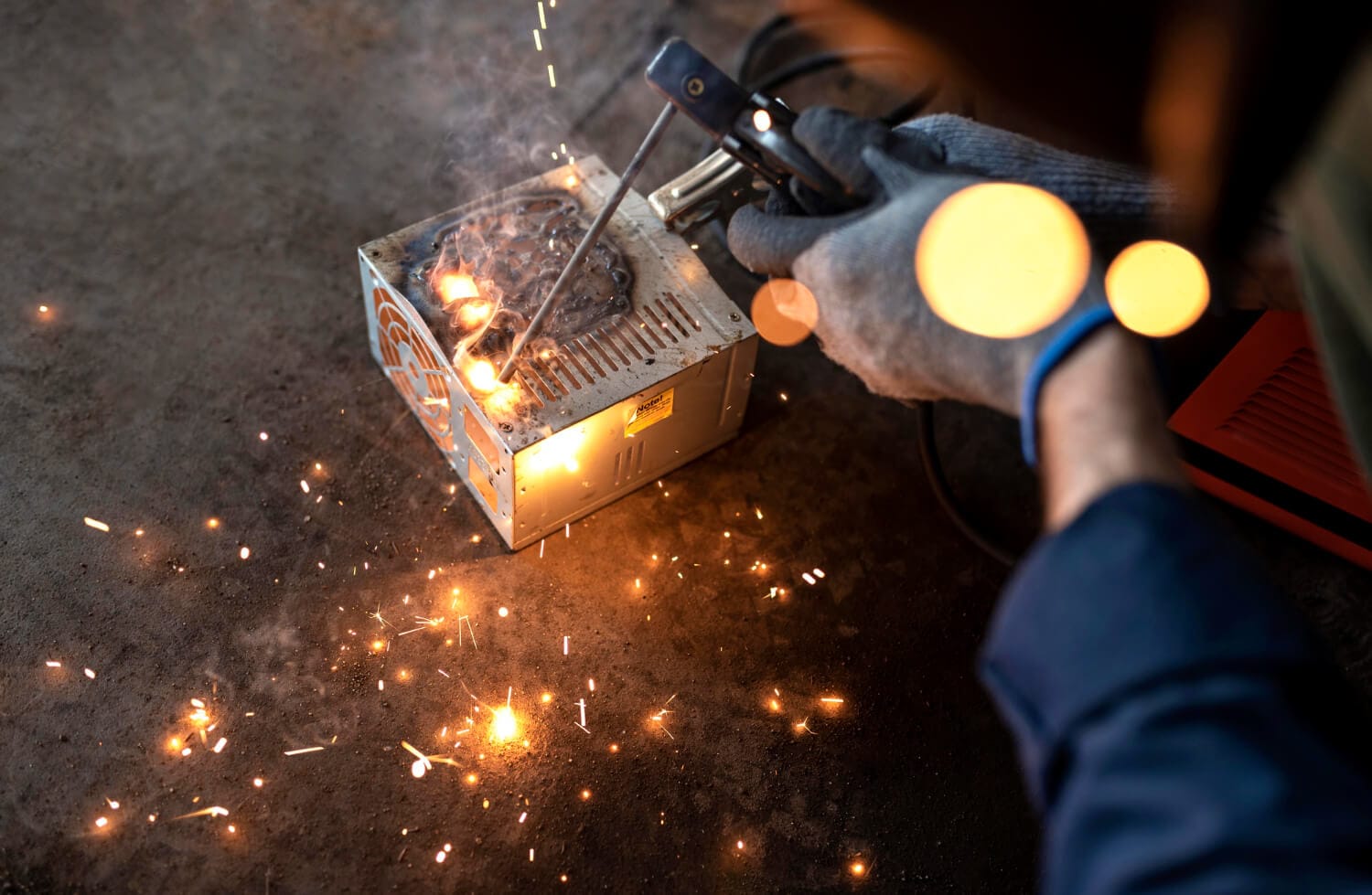
An industrial welder joins metal that later carries weight, pressure, vibration and corrosion. They read prints, prep the joint, pick the filler and run the bead to an approved procedure. It sounds like welding in any shop, and it isn’t.
In industry, a joint that fails isn’t a broken part: it’s a leak, a shutdown or an accident. So the work runs on codes and the qualification has to be proven by test. If you want the background, we cover it in what an industrial welder does and how it differs.
The practical upshot: hiring cheap and uncertified gets expensive once the inspector shows up. A certified industrial welding hand costs more per hour and saves you the rejection, the rework and the delay.
The certifications they should bring
A serious industrial welder shows up with paperwork. Not a generic diploma, but qualifications tied to the process and the code of the job. These are the ones that matter in the Caribbean.
| Certification | What it covers | When you need it |
|---|---|---|
| AWS D1.1 | Structural steel welding | Structures, frames, platforms, buildings |
| ASME Section IX | Pressure vessels and pipe | Tanks, boilers, pressure lines |
| WPQ (Welder Performance Qualification) | The test THAT welder passed | Always: it qualifies the person, not the company |
| API (650/653) | Storage tanks | Refinery and petrochemical |
The key document is the WPQ: the test that specific welder passed, in a set position and process, still in date. A written WPS isn’t enough if the hand who shows up isn’t qualified under it. We dig into it in welding certification standards for the Caribbean.
Which welder you need for the job
«Welder» is a broad title. The one who nails a steel structure may not be the one you want for a pressure line. Each job asks for a profile.
- Structural welder. Frames, beams, platforms and reinforcement. Works to AWS D1.1, built on the project’s structural steel.
- Pipe welder. Lines and pressure vessels. Here position rules: a 6G qualification is the most complete, as we show in welding positions explained.
- Maintenance welder. Repairs, reinforcement and hot work in the plant, often without stopping production.
Hiring one welder or bringing a full crew
There are two paths, and it depends on the size of the job. For a one-off repair, one qualified welder does it. For a shutdown, an install or a job with a deadline, you need a crew with supervision, equipment and technical backing.
That’s where a lot of Caribbean companies get stuck: finding two, three or five certified welders, available and mobile between islands, on the exact date. At TAS we solve it both ways. We run the job with our industrial welding team, or we supply qualified personnel so you can reinforce your own crew when the workload spikes.
How to choose an industrial welder in the Caribbean: checklist
Once you have candidates, these five points separate the one who signs off the work from the one who leaves you halfway.
- Current WPQ, right process Ask for it in writing. Check process, position and date. An expired qualification doesn’t count.
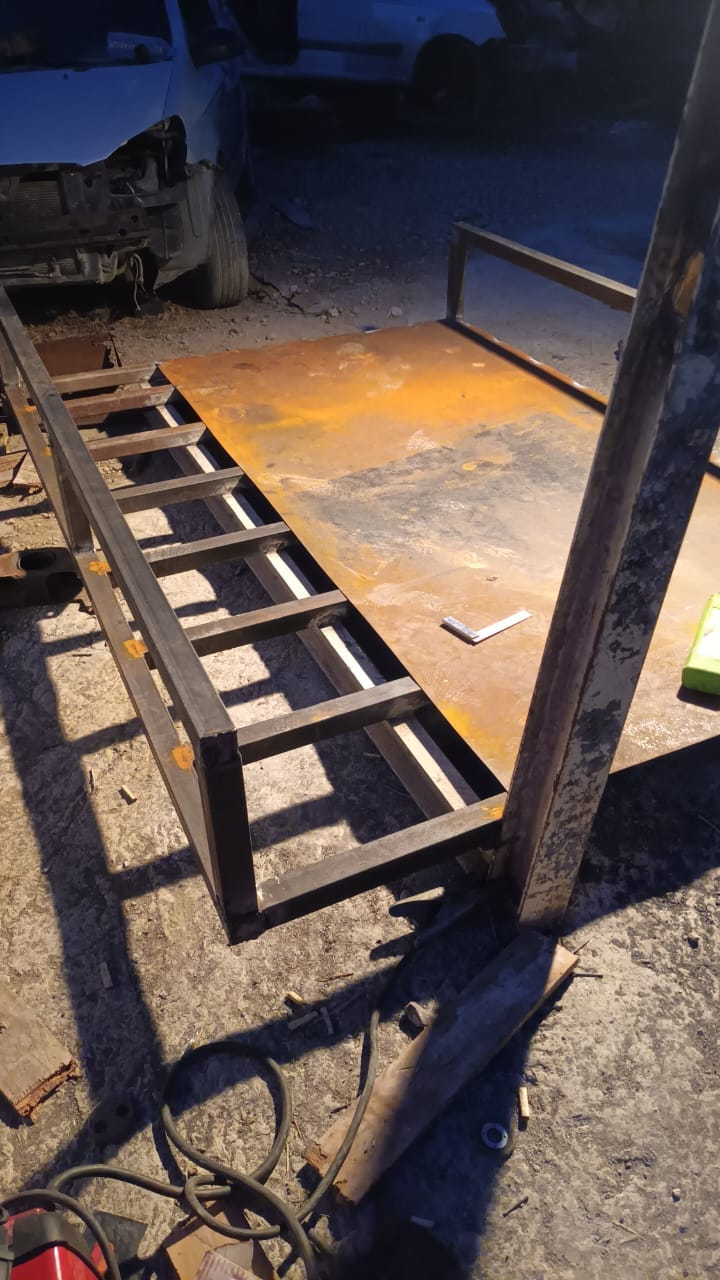
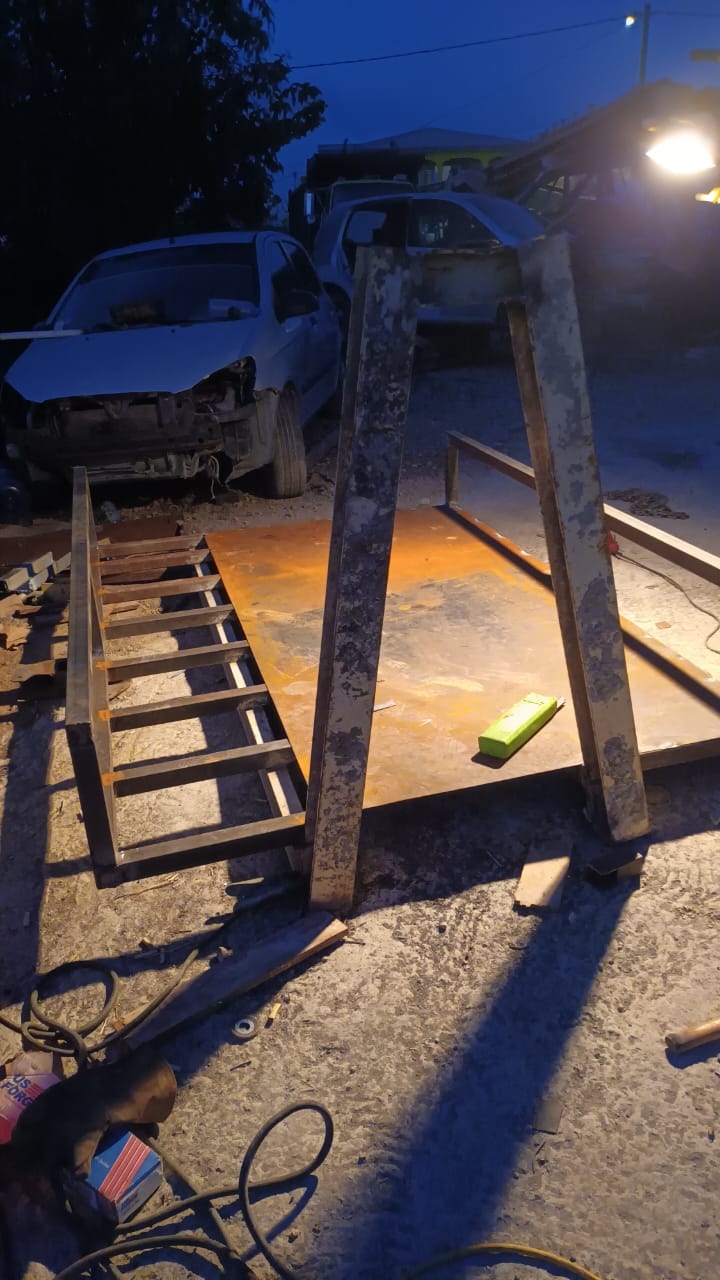
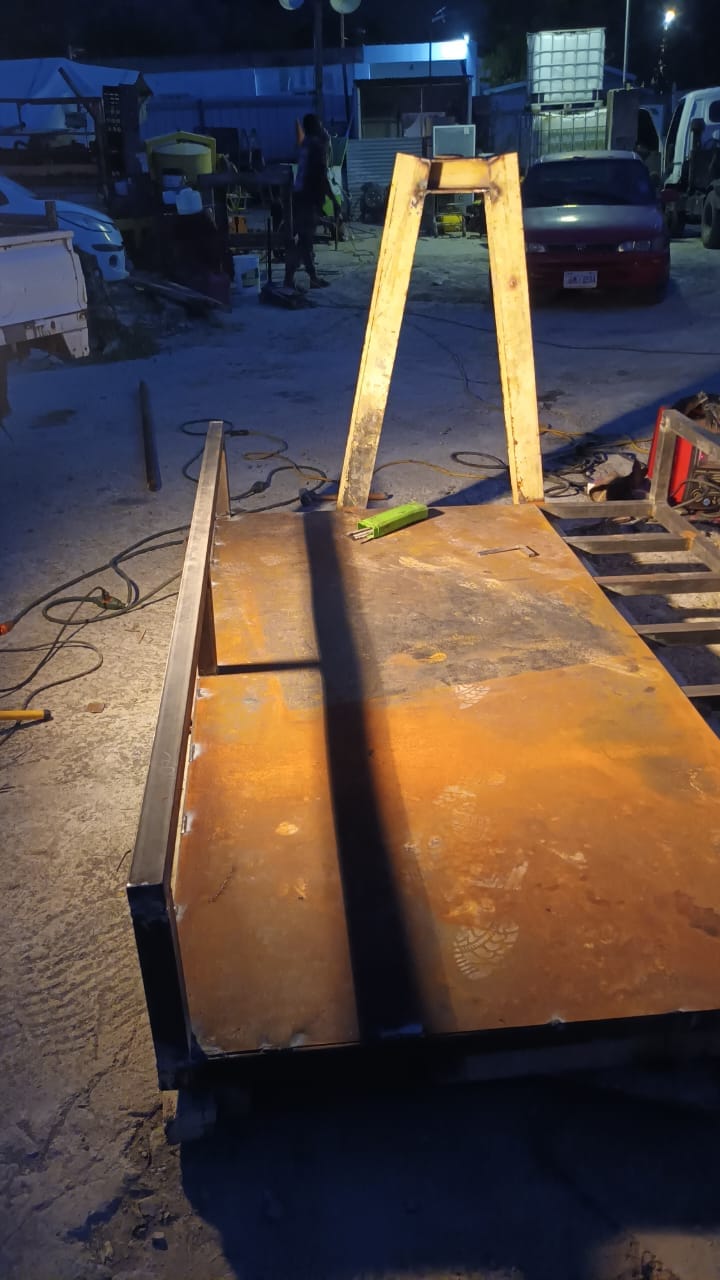
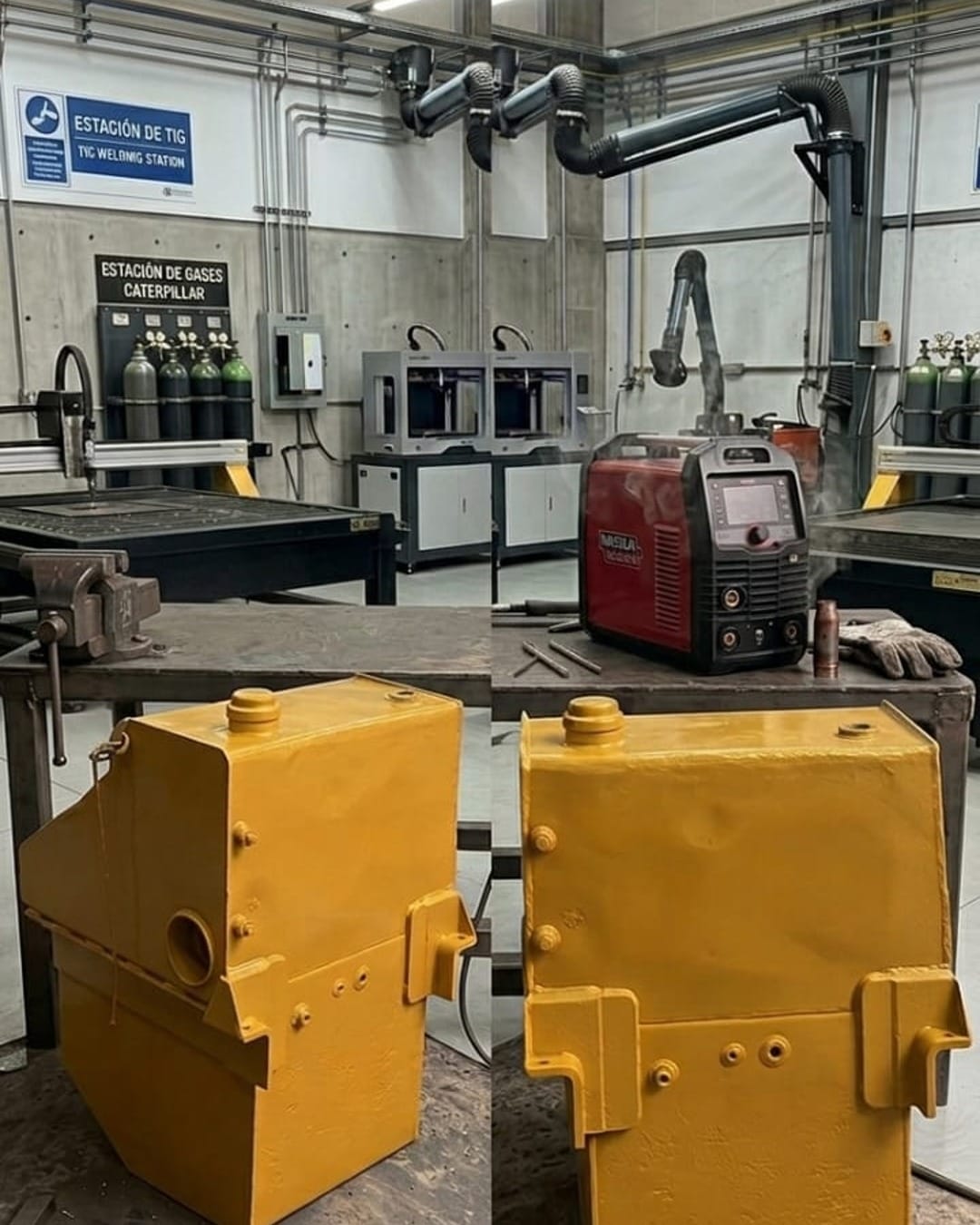
- Real work, not promises Have them show finished jobs: photos, references, passed inspections. The portfolio says more than the pitch.
- Insurance and safety Hot work, height and confined spaces. Require insurance and safety procedures, especially in a refinery.
- Availability and mobility In the Caribbean, moving between islands and hitting the date is worth as much as the bead. Confirm it upfront.
- Technical backing Is there an inspector or a WPS behind the hand? A welder alone is one thing; a welder with procedure and inspection is another.
What to expect on cost and timing
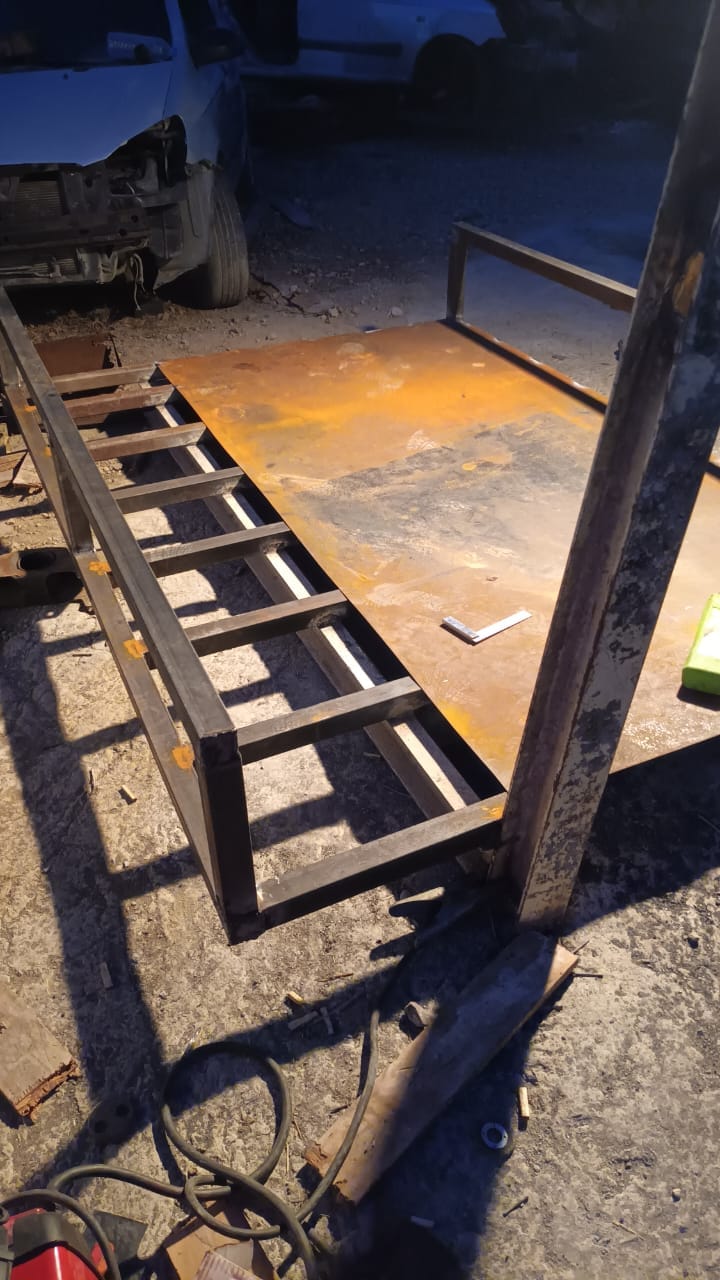
A certified welder costs more per hour than one without paper, and that difference is what saves you the rejection. The final price depends on process, position, material and where you are in the Caribbean. A 6G pressure line isn’t billed like a flat fillet.
The sensible move is to ask for a site visit or a technical description of the job and get a written quote with a clear scope. We’ll turn one around fast: tell us the material, the thickness and the date, and we’ll tell you profile, certification and price.
- Ask for the welder’s current WPQ for the job’s process and position, not just a company WPS.
- AWS D1.1 for structure, ASME IX for pressure, API for refinery tanks.
- The profile changes with the job: structural, pipe (6G) or maintenance.
- For spikes, hire a crew or reinforce yours with qualified personnel.
- Check real work, insurance and island mobility before you sign.
Frequently asked questions
Need a certified industrial welder?
We give you welders qualified to AWS D1.1 and ASME IX, or the full crew, in Sint Maarten and across the Caribbean. Tell us the job and we’ll quote it.
Request a quoteView industrial welding EN
EN ES
ES