
Hydrostatic testing of a storage tank: procedure, water and settlement checks
Under API 650, a new tank is normally tested by filling it with water. Crews take six sets of settlement readings, hold the tank full for at least 24 hours, and report any differential settlement above 13 mm per 10 m of circumference, or uniform settlement above 50 mm, before filling continues.
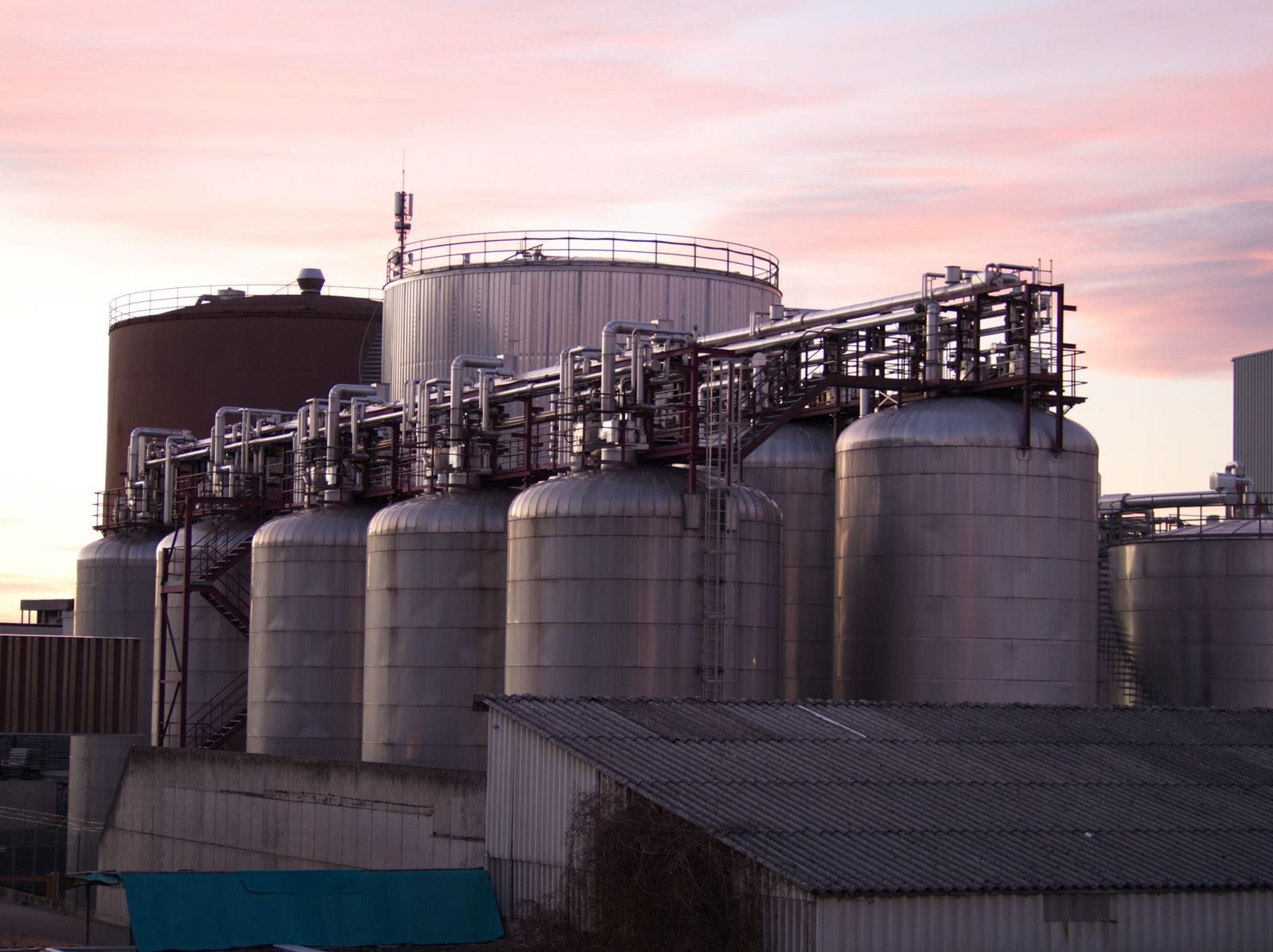
Every welded tank has one moment of truth: the day it’s filled with water. Until then, the shell, floor, nozzles and foundation have only been checked one part at a time. The hydrostatic test loads them all together, and it leaves a record of how the ground under the tank behaves. This guide follows the procedure in API 650: how full the tank gets, what water you can use, how fast you can fill, and how settlement is measured.
A note on sources. The requirements below are read from the text of API 650, 12th edition (2013), clauses 7.3.5 to 7.3.7. The current edition is the 14th, so clause numbers and details can differ. Check the edition named in your contract.
When is a storage tank hydrotested, and how full does it get?
After the entire tank and roof structure is complete, API 650 has the shell tested by filling it with water, when water is available (API 650, clause 7.3.5). The standard gives four fill levels. The normal one is the maximum design liquid level. A tank with a tight roof is filled to 50 mm above the weld joining the roof plate to the shell. A lower level is allowed by agreement when overflows or an internal floating roof restrict it. And seawater can be used, filled to the level that gives the same bottom-of-shell hoop stress as a full-height fresh water test.
The test comes before permanent external piping is connected to the tank (clause 7.3.6.1). If there isn’t enough water to fill the tank, the standard allows the joints to be checked with penetrating oil, vacuum or internal air pressure instead. That fallback proves the joints don’t leak, but it doesn’t load the tank, which is why we treat it as a second choice. According to TDI, many owners take the test out of the contract. We’d argue against that, because nothing else proves the tank as a system.
What has to be ready before the water goes in?
The manufacturer prepares the tank and the purchaser supplies the water (clauses 7.3.6.2 and 7.3.6.3). Five things need to be settled first.
Remove trash, debris, grease, oil, weld scale and spatter from the interior and the roof.
Furnish and run the lines from the water source to the tank, and from the tank to the disposal point.
Fix a permanent benchmark and mark the shell points for the settlement readings.
The purchaser supplies the water and obtains any permits needed to dispose of it.
For carbon and low-alloy steel, the metal must not be colder than the design metal temperature. Check that the wind girders drain.
The manufacturer also fills and empties the tank, takes the settlement measurements (unless the purchaser waives them) and runs the cleaning, rinsing or drying that the data sheet asks for afterward. If you’re still choosing what kind of tank to build, our guide to storage tank types is the place to start, and how an API 650 tank is built covers the work that leads up to this test.
What water can you use for a hydrostatic test?
API 650 prefers potable water but doesn’t rule out condensate, reverse osmosis water, well water, river water or seawater (API 650, clause 7.3.6.3). The purchaser has to weigh low-temperature brittle fracture, freezing, suspended solids, acidity, general corrosion, pitting, microbiologically induced corrosion, disposal and what’s left in the tank after emptying. The requirements tighten with the material.
| Material | What the standard asks | Where |
|---|---|---|
| Carbon steel | Where water contact will exceed 14 days, including filling and draining, consider an oxygen scavenger, a biocide and a higher pH from added caustic | 7.3.6.3 |
| Austenitic stainless steel | Water quality restrictions set in the stainless annex | Annex S |
| Duplex stainless steel | Potable, treated water with at least 0.2 ppm free chlorine, pH 6 to 8.3, below 50 °C, chloride below 50 ppm; exposure no longer than 21 days on potable water, 7 days on other fresh water | Annex X |
| Aluminum components | Requirements set in the aluminum annex | Annex H |
How fast can you fill the tank?
When the purchaser specifies settlement measurements, API 650 caps the filling rate by bottom course thickness and by tank height (API 650, clause 7.3.6.5). With a bottom course under 22 mm, the limit is 300 mm of water level per hour in the top course and 460 mm per hour below it. With 22 mm or thicker, it’s 230, 300 and 460 mm per hour in the top, middle and bottom thirds.
Filling can continue while readings are taken, as long as the water level changes by no more than 300 mm during one set. The pattern in the chart is simple: the limits are lowest near the top of the tank, and the bottom third can take the fastest fill.
How is settlement measured, and what counts as too much?
Shell elevations are taken at equal intervals of no more than 10 m around the circumference, with a minimum of eight points, all referred to a permanent benchmark (API 650, clause 7.3.6.5). The level instrument sits at least one and a half tank diameters from the tank. Six sets of readings are required, and they are shown below.
The readings run before the test, at 1/4, 1/2 and 3/4 of test height, at least 24 hours after the tank is full, and after it’s emptied. The 24-hour hold can be extended if the tank is the first one in the area, larger than any nearby, more heavily loaded on the ground, or if there’s doubt about how fast it will settle. The three intermediate sets can be omitted if the purchaser says so.
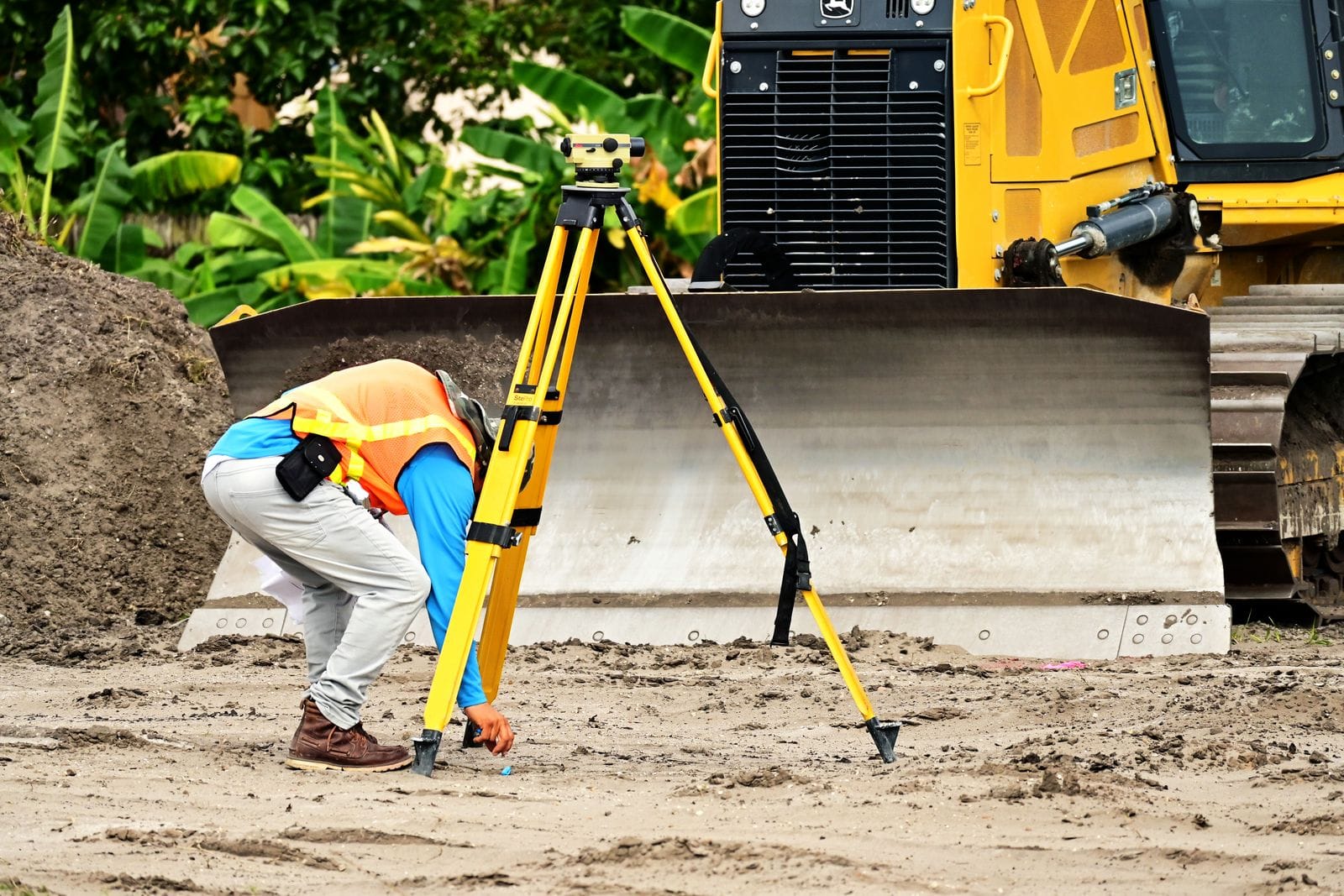
Two limits matter. Differential settlement above 13 mm per 10 m of circumference, or uniform settlement above 50 mm, has to be reported to the purchaser, and filling stops until the purchaser clears it (clause 7.3.6.6). Inside the tank, bottom elevations are measured before and after the test at intervals of no more than 3 m along at least four diametrical lines (clause 7.3.6.8). On a floating-roof tank, the gap between the shell and the roof rim is measured before the roof first floats and again at full height (clause 7.3.6.7).
How are leaks found, and how is the roof tested?
Welded joints above the test-water level are examined for leaks with penetrating oil, or with vacuum or internal air pressure (API 650, clause 7.3.6.1). Defects are reported to the purchaser’s inspector, whose approval is needed before repair (clause 7.4.1). The roof is tested separately. A roof designed to be gas-tight is tested with internal air pressure no higher than the weight of the roof plates, using a bubble solution, or by vacuum testing the joints. A roof that isn’t gas-tight gets visual examination only, unless the purchaser specifies more (clause 7.3.7).
What happens after the test?
The tank is emptied, cleaned, rinsed or dried as the data sheet requires, and the test water is disposed of under the permits the purchaser obtained. The measurements go into the handover documents. After that the tank is ready for coating and service, and its in-service life falls under API 653. Our corrosion inspection checklist covers what to watch once it’s running, and our guide to API 653 inspection intervals covers how often to look.
If you’re planning a tank on an island and need a contractor who builds, tests and documents to API 650, that’s our work. See industrial storage tank fabrication, mobilized from Sint Maarten across the Caribbean.
- API 650 tests the shell by filling it with water when water is available, before permanent piping is connected.
- Seawater is allowed at a level that matches the stress of a full fresh water test.
- Filling rates are capped by bottom course thickness and tank height while settlement is measured.
- Six sets of settlement readings are required, with at least 24 hours at full height.
- More than 13 mm differential per 10 m, or 50 mm uniform settlement, stops the fill until the purchaser clears it.
- The elevation record goes into the handover package and becomes the baseline for later inspections.
Frequently asked questions
Need a storage tank built, tested and documented to API 650?
Tasweldermechanics fabricates and tests API 650 storage tanks across the Caribbean, mobilized from Sint Maarten with certified crews. Tell us your scope.
Request a quoteView tank fabrication EN
EN ES
ES