
Refinery turnaround planning: a six-step checklist
Start turnaround planning 12 to 18 months before shutdown, freeze the scope at about 12 months, build work packages and a critical-path schedule, order long-lead items early, prove day-one readiness, then run a review within weeks of restart (Plant Services, The Chemical Engineer). Scope that arrives after the freeze adds 23% to direct costs on average on large onshore turnarounds.

A refinery turnaround is a planned shutdown where a plant stops production to inspect, repair and upgrade equipment that can’t be touched while running. It happens every three to five years, it costs a lot per day of downtime, and most of its outcome is decided long before the first valve closes. This checklist walks through the six steps we’d expect any owner and contractor to cover. It’s built on the phase models in published trade sources, and we say where the numbers come from.
A note on scale. The lead times below describe a large refinery. A small plant or a single unit runs on a shorter clock, but the order of the steps stays the same. Our refinery maintenance and refinery equipment services support this kind of work across the Caribbean.
Why does a turnaround need 12 to 18 months of planning?
Scoping starts 12 to 18 months out, preparation runs the last three to six months, and the shutdown itself typically lasts three to five weeks, with one to two weeks for startup (Plant Services). The same article notes the site’s population can jump from about 300 to over 2,000 people overnight. That surge is why the plan has to be settled before the crews arrive.
The cost of skipping it is measurable. Over two-thirds of turnarounds miss plan by 10% on cost and schedule, and 40% see overruns or delays above 30% (Plant Services). The next section shows how much of that comes from work that arrives after the scope is fixed.
1. How do you set the scope and challenge it?
Write down what the turnaround must deliver, then test every job against it. Work typically comes from routine inspection and compliance, known underperforming assets and deferred fixes (Plant Services). A prioritization based on risk-based inspection helps you spend the shutdown where it reduces risk most (Intertek).
The challenge step is where money is saved. With outside facilitation to reduce bias, one consultancy reports being able to challenge out around 30% of the scope put up for challenge (The Chemical Engineer). That’s one firm’s experience, not a rule, but it shows why the step exists.
2. Why freeze the scope, and when?
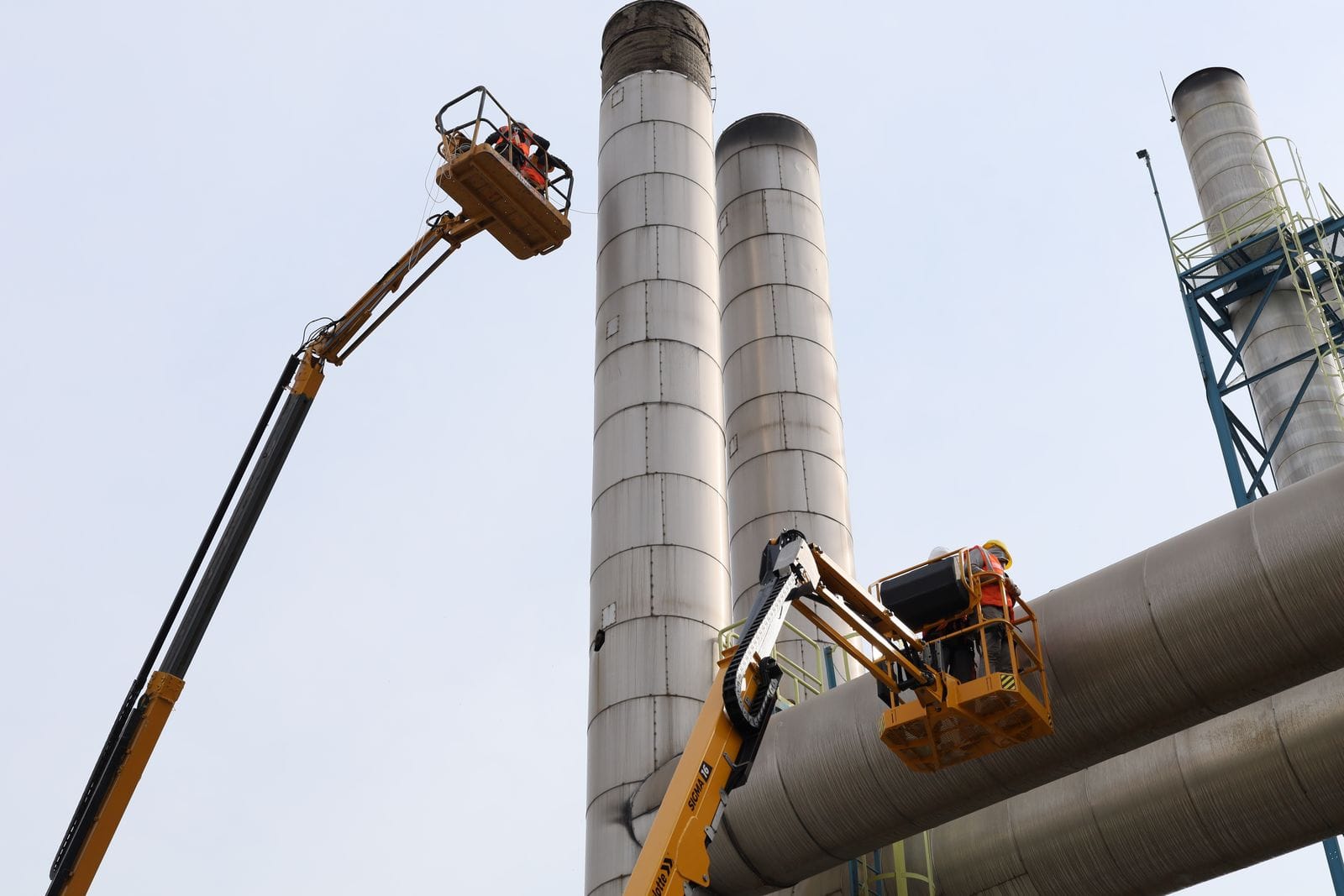
Freeze the scope at around 12 months before the turnaround, depending on its size (The Chemical Engineer). After the freeze, new work goes through an additional-work request process with a hurdle that rises as the shutdown approaches, and discovery work found once equipment is opened gets a fast but equally strict review.
The scale of the prize is large. On big onshore turnarounds, average scope growth adds 23% to direct labor and material costs, while top-quartile performers hold it to about 8% (The Chemical Engineer).
3. How do you build work packages and the schedule?
Turn each frozen scope item into a trade-specific work package with its dependencies, then build the schedule from those packages. Detailed planning includes defining dependencies, developing crane lift plans and finalizing procurement for long-lead items. Building the critical-path network from confirmed packages, not from the last turnaround’s template, is what produces reliable float numbers.
Two packages are worth extra attention because they touch everyone: heavy lifts and welding. Lift plans should follow the practices in our guide to crane planning and heavy lifts, and our refinery heavy lift service covers the execution. For welding scope, see the qualifications discussed in welding certification standards.
4. What about long-lead items and contractors?
Order what takes longest first, and book the people who are hardest to get. Plate, specialty valves and rotating equipment spares often set the critical path, so procurement starts as soon as the scope is fixed. Contractors, inspectors and cranes need the same early booking. Our guide on choosing an industrial welding contractor lists what to check before you sign.
On an island, lead times stretch. Skilled trades, plate and specialty inspectors often arrive by sea or air, which is our reading of why Caribbean owners tend to book earlier and hold spares locally. It’s also why a contractor already mobilized in the region can shorten the clock.
5. How do you prove day-one readiness?
Check readiness against a written list before the shutdown starts, because incomplete day-one readiness is a leading source of delay, along with hidden faults found on opening and sequencing conflicts (Plant Services). Structured mechanical integrity plans add hazard analysis, permit-to-work systems and safety training (Intertek).
Permit-to-work, lockout and isolation plans agreed and rehearsed.
Long-lead items received, checked and staged in the laydown area.
Scaffolding, lifts and cranes booked and sequenced against the schedule.
Crews inducted, certified and housed, with a named supervisor per package.
A fast route to approve or reject discovery work, agreed in advance.
Rotating equipment overhauls are a common shutdown package. Our guide to rotating equipment failures explains what to look for before you open a machine.
6. How do you execute, start up and review?
Run the shutdown against the critical path, then start up in a controlled sequence and review the whole event within two to four weeks of restart (Plant Services). The review is the step that pays for the next turnaround. Capture the schedule adherence, cost variance, safety record and startup problems while people still remember them, and file the lessons with the scope list for next time.
- Start scoping 12 to 18 months out. Preparation takes the last three to six months.
- Freeze the scope at about 12 months. Late scope adds 23% to direct costs on average.
- Build work packages first, then the critical-path schedule from them.
- Order long-lead items and book contractors, inspectors and cranes early.
- Prove day-one readiness against a written list.
- Review the turnaround within weeks of restart and keep the lessons.
Frequently asked questions
Planning a shutdown or turnaround in the Caribbean?
Tasweldermechanics supports plant maintenance, refinery equipment work, welding and heavy lifts across the Caribbean, mobilized from Sint Maarten. Tell us your scope.
Request a quoteView refinery equipment EN
EN ES
ES